William McKeonForward Deployed Engineer · Applied AI & Agent Systems
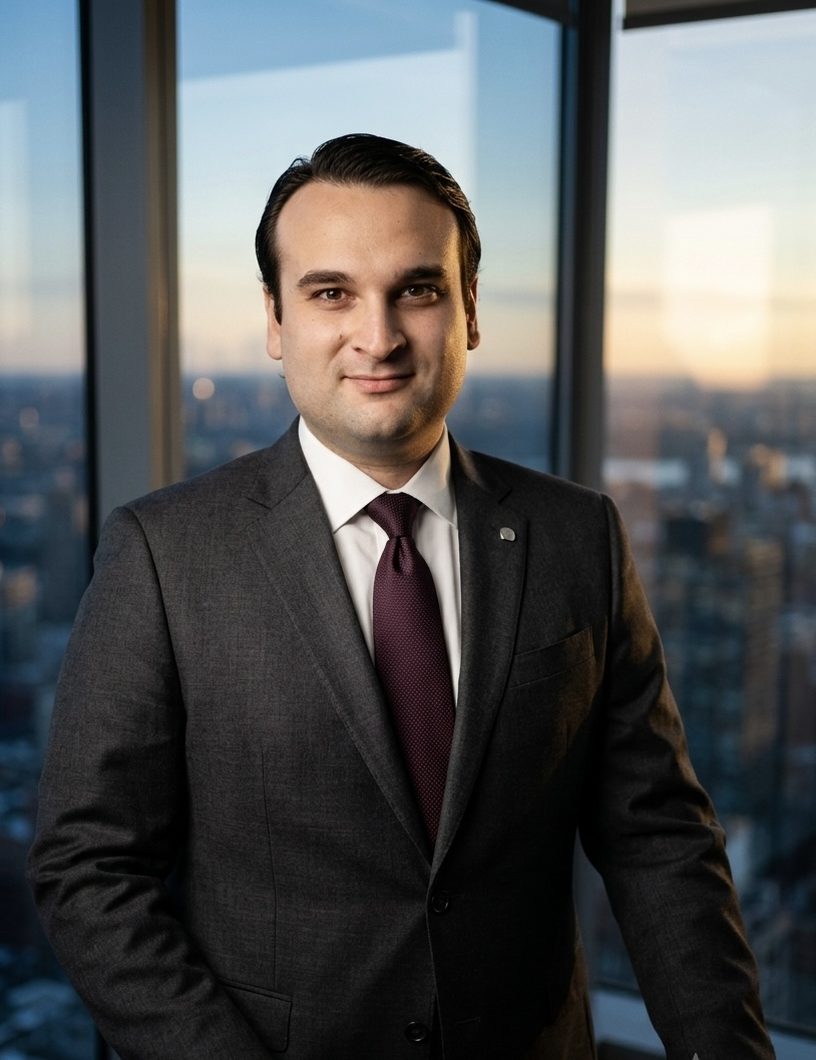
I take LLM systems from prototype to production and stay embedded with the customer while I do it.
Four years at a Navy R&D lab: technical discovery with program-office leadership, the architecture behind it, and a deployment the customer’s own engineers can run without me.
How I work
Discovery through handoff, with the customer the whole way.
Discovery
Technical discovery with program-office and senior technical leadership: gather requirements, assess feasibility, and tell people which of their problems are not actually AI problems.
Translation
Brief and demonstrate AI capability to technical and non-technical stakeholders in the same room. Who gets to use this technology is mostly a translation problem.
Architecture
Design the systems behind the requirements, including a shared platform component that more than one project now builds on.
Build
LLM applications end to end, Python services underneath and the TypeScript interface people actually touch on top.
Integration
Ingestion paths into existing data systems and sensor equipment I do not own, against interfaces fixed long before I arrived.
Delivery
Acceptance criteria before the build, deployment and demonstration, then a handoff on a repeatable CI/CD pipeline. Leaving them able to run it without me is the deliverable.
- Four years engineering production software
- Navy R&D lab, Newport RI
- Python, TypeScript, agents, RAG
- B.S. Computer Science, URI
Common questions
The things people ask first.
- What kind of role are you looking for?
- Forward Deployed Software Engineer roles, or Applied AI Engineer roles with a customer-facing half: taking an LLM system from discovery through architecture and evaluation to a deployment the customer's own engineers can run.
- What have you built?
- Arcus Code, a hardened distribution of opencode carrying per-request model routing, vLLM as a first-class provider, a rebuilt MCP tool-calling path and an evaluation harness; and CareerAgent, a 14-service agent platform behind a four-gate trust pipeline. Both are described in full on the projects page, along with the earlier work they are built on.
- What is your day job?
- I am a Computer Scientist at the Naval Undersea Warfare Center in Newport, Rhode Island, where I have worked since 2022. I run technical discovery with program-office and senior technical leadership on the organization's AI roadmap, and I build the applications behind it.
- What does forward deployed mean in practice?
- It means I stay with the customer through the whole arc rather than handing over a spec. Requirements gathering, briefing technical and non-technical stakeholders in the same room, architecture, the build, integration against interfaces I do not own, and a handoff on a repeatable CI/CD pipeline.
- What are you working on now?
- Arcus Code, mostly: the model-routing layer, the vLLM provider path, and turning captured agent transcripts into training data. At work I continue to build the AI applications behind the organization's roadmap.